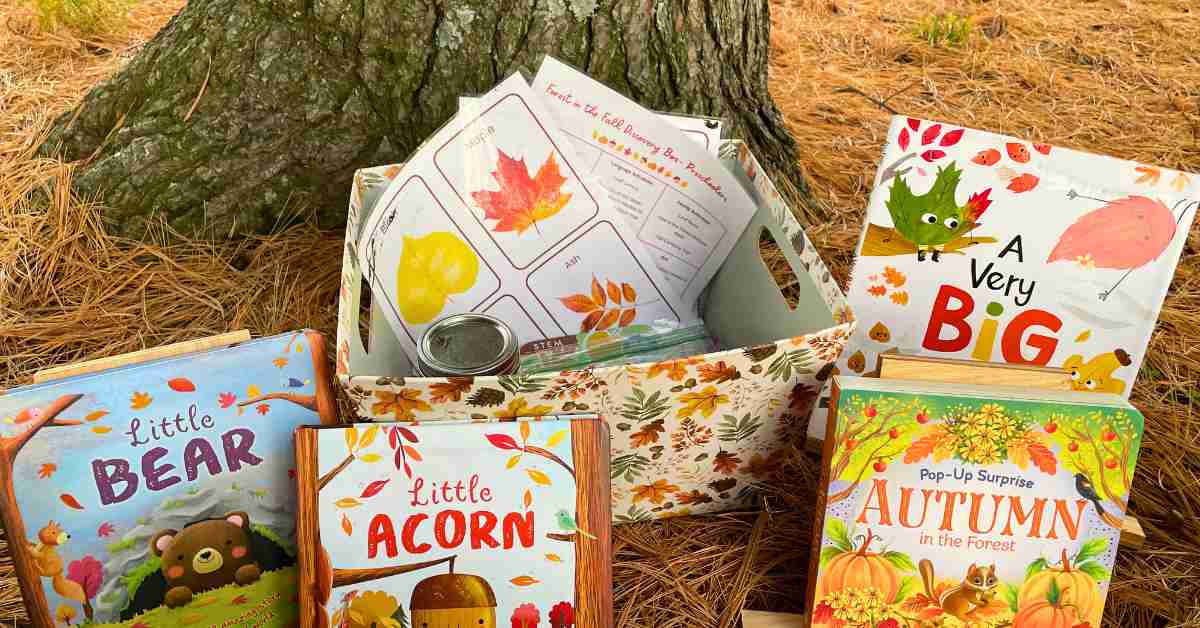
Creating Discovery Boxes for Learning at Home
I LOVE creating discovery boxes for learning at home with my kids. These themed discovery boxes are great for building skills and introducing new topics. It’s helped us so much with mixing up activities, learning about a wide variety of topics, and helping them grow in necessary skills.
It’s also helped my preschooler with a way to ask for certain topics to be added into our preschool activities. For example, after our trip to the Falls of the Ohio, she asked “Mommy, can you create a LEWIS AND CLARK Discovery Box for me?”
So on this blog I like to share ideas for specific themed boxes. HOWEVER, I wanted to do a quick post that details the benefits of creating discovery boxes for your own little ones at home.
What is a Discovery Box?
It’s just a fun name I gave to the themed learning activities I make for my girls for us to do at home! I usually create some sort of choice board for them with different learning activities. All of the activities connect to a certain theme such as pumpkins, the beach, Europe, etc. The sky’s the limit for topics.
I then put all of the activities into a fun little box. Then, during our preschool time, my daughter can pick out which activities she wants to do that day.
Picture picking out something from a treasure box- but this time the treasure is super fun learning!
It’s a fun way to organize preschool activities for my daughter. (And bonus- having everything in a literal box makes it so much easier to clean up and put away when we’re not actively working on them.)
So what are my actual goals when I’m creating discovery boxes for my girls? I want them all to be:
1. Fun and Engaging
I want the activities to be fun and engaging. Learning at all ages should be driven by exploration and enjoyment.
Following a Montessori approach, I try to gear the topics to match her interests as best I can.
I also try to include crafts, games, outings, and interactive activities. These are hands-on, themed, and child led activities.
I want her to feel like she’s discovering alongside me- not just me teaching her what I think she ought to know.
One thing I’ve really found with these discovery boxes is that just the presentation of them is exciting. The fact that all of her activities are packaged up in a cute little bundle makes her eager to dive in- almost like opening a present.
2. Accessible For Parents and Kids
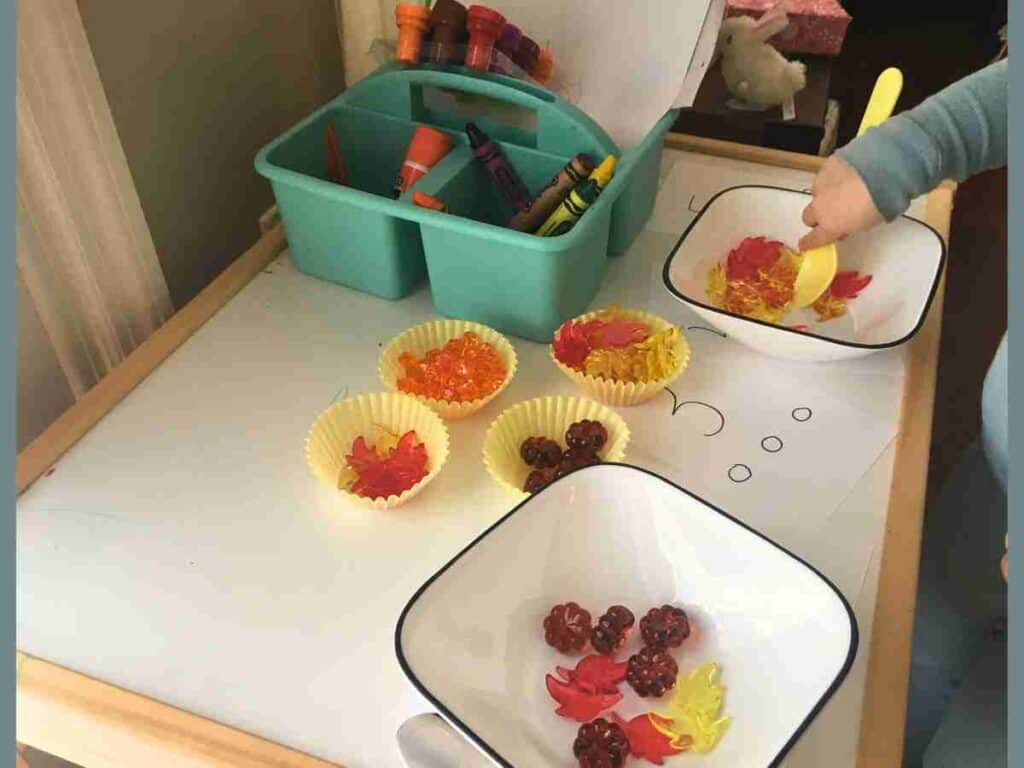
Do you ever feel like you spend so much time preparing learning materials for your children that you don’t actually have time to enjoy the activities?
I want the activities to be simple to put together AND for my child to do. I’m busy. We’re all busy. I don’t have a ton of time to sit down and create complex activities that are time consuming for me to create and are too intense for her to complete.
That only results in us both being frustrated. So my goal for parents is that you can see some ideas here, grab a few things from Amazon or your library if you need to, print of a couple of printables, and be ready to roll in less than 20 minutes of prep time for A LOT of engaging learning activities.
I also want some activities to be things she can do independently. Whether it’s in the morning as I’m getting breakfast on the table or while I’m putting the baby down for a nap- I don’t want every activity to have to be adult directed.
(I also think this is a great way to encourage independent learning. Children are naturally inquisitive. I want to foster that innate curiosity and let her know she’s free to explore and learn on her own. She doesn’t have to wait for an adult to sit down and tell her everything.)
3. Centered around a Season, Trip, Holiday, or Cultural Month (If Possible)
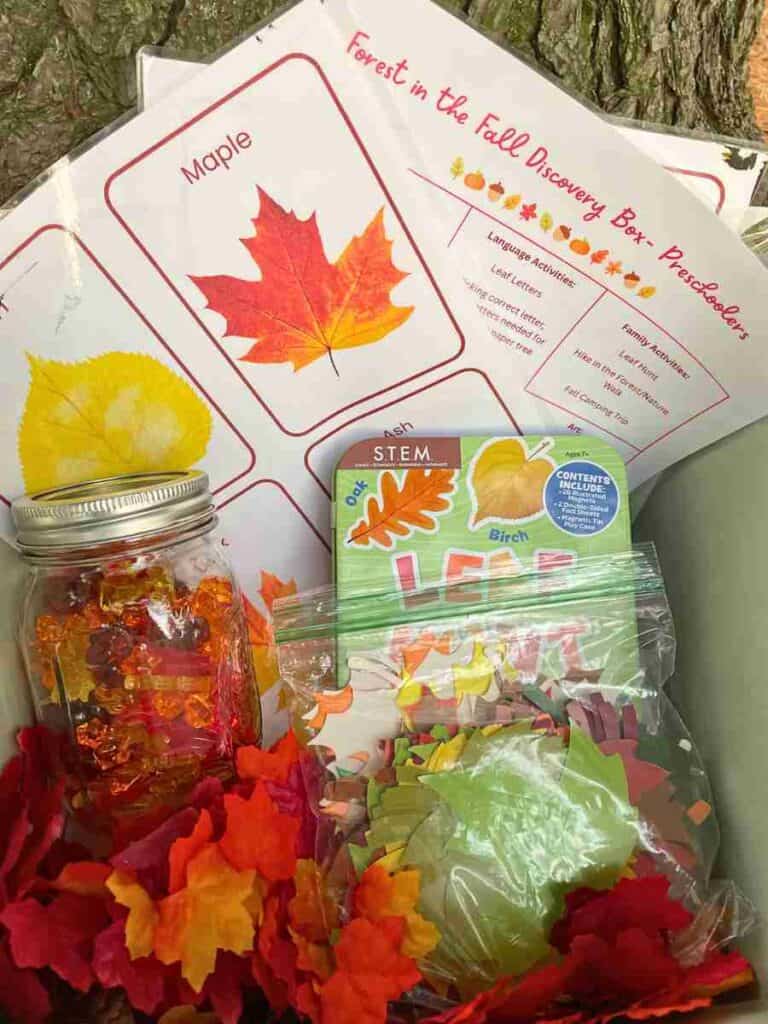
This doesn’t always happen, but I do love tying our learning to the seasons or events throughout the year.
One reason is because this gives me inspiration for what to do next.
Secondly, I think it helps them really tie their learning to what they’re experiencing in the world around them. The toddler and preschool years are all about them making sense of their world. Anything that helps them with that is going to interest them far more than something that they don’t have the context for.
Thirdly, it brings me peace of mind that if we use the seasons, trips, holidays, and cultural months as inspiration, we will eventually cover a wide variety of topics.
Fourthly- it brings an element of freshness to the activities. Sometimes early learning activities can feel repetitive. Young children need a lot of practice with a lot of basic skills, but things like clip cards or matching letters can lose their luster quickly. HOWEVER, by giving them a fun new theme, even activities they’ve technically done before feel fresh and exciting.
Lastly, it brings an element of excitement to it. If I tell my daughter- “hey, let’s learn about buildings today”- she might give me a little bit of a side eye. But if I enthusiastically say “Hey! It’s International Skyscraper Day! Let’s discover some things together”- she’s hooked.
4. Comprehensive and Holistic
I want the box to be holistic. I like to target as many different skills and learning areas as I can, including language arts, STEM, practical life, and social studies.
HOWEVER, if a particular skill just isn’t fitting in then I don’t stress about it. One reason that I structure our preschool curriculum around seasons, heritage months, and a variety of fun holidays is because I know that with this system, I’ll eventually cover most everything I want to. (I know there’s never enough time to learn everything, but let me dream here.)
5. Budget Friendly
I want the box to be affordable. I don’t want to purchase a ton of new learning materials for every new theme we do. If I can capitalize on what we already have and reuse materials, I will. Both from a budget and a consumer standpoint- I want to be conscientious with what we use.
Additionally, one reason I use “discovery boxes” is so that even items that my girls have played with forever seem fresh and exciting. (Think toy rotation- but with learning materials.)
(Some items you’ll see in discovery boxes A LOT are Safari LTD figurines. These continue to be some of our most-loved, most-played with, most-adaptable items in our house.)
6. Adaptable to Different Ages
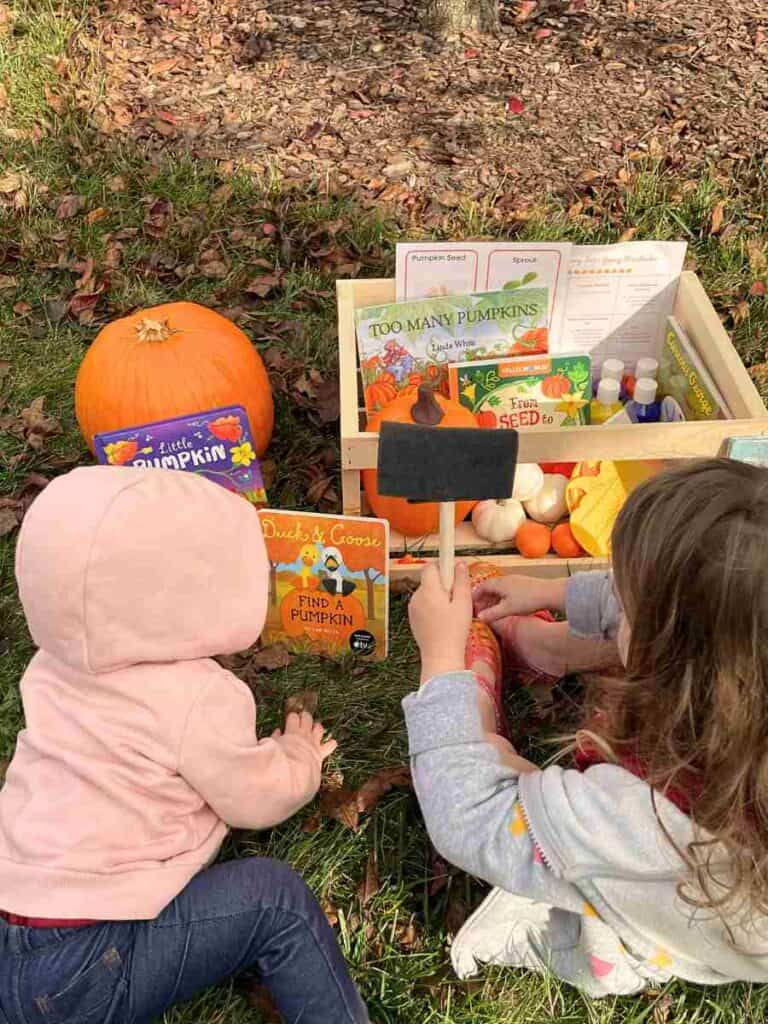
I want the box to be as scalable to different ages as possible. I want my children to be able to learn together, despite being in different developmental stages.
There’s clearly going to be parts of these boxes that aren’t suitable for ALL ages, and they are designed with a specific learning stage in mind, but I try to work in activities that will appeal to both younger and older children alike.
Additionally, I look for activities that could be adapted easily for different ages OR that we can use for several years to come. I love revisiting activities every year and seeing how much they’ve grown and what they’re not focusing on. (I also love that it keeps it more economical and easier to put together!)
7. A Blend of Learning Approaches
I do love the Montessori style approach, but I also appreciate different philosophies, such as Waldorf and Reggio Emilia inspired learning. So while none of these activities are “certified” Waldorf, Reggio Emilia, or even Montessori, instead of stressing over staying true to one philosophy, I take what works best for my family and blend them.
I hope that blending different learning philosophies will help my daughter be an adaptable, well-rounded learner.
Closing Thoughts
Discovery boxes have given us some much needed structure AND inspiration to our learning at home. I honestly wouldn’t do it any other way.
If you’re interested in creating discovery boxes for your own little ones who are learning at home, be sure to check out the discovery box section of the blog.
And don’t forget to sign up for email updates and follow along on social media so that you don’t miss any future discovery box posts!
Affiliate Disclosure: As an Amazon Associate I earn from qualifying purchases.


One Comment